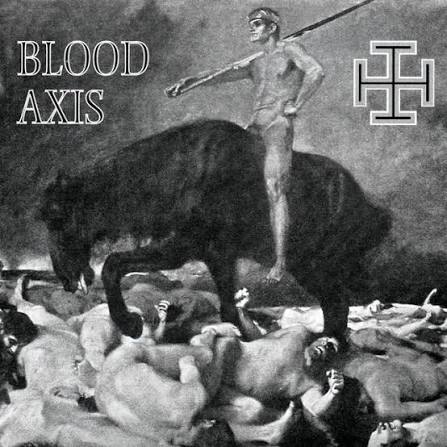
The Gospel of Inhumanity (1995) represents one of the most complex, divisive, and formally influential milestones of late 20th-century post-industrial and neofolk music. Formed and spearheaded by journalist and musician Michael Moynihan (alongside the technical collaboration of Robert Ferbrache), the album functions as a dense compendium of philosophical nihilism, historical-literary citation, and sonic syncretism. Musically, the record transcends the boundaries of pure industrial noise to arrive at a symphonic and martial format. The structure of the tracks rests on a constant dualism: • Neoclassical Sampling: The sonic architecture makes extensive use of reworked classical music excerpts (including Johann Sebastian Bach and Sergei Prokofiev), lending the work a solemn, funereal, and timeless atmosphere. • Electro-Acoustic Components: Dark keyboards and deep reverbs intertwine with obsessive percussive marches and doom/metal-tinged electric guitar layers (most notably in the closing track Storm of Steel). The conceptual core of the album lies in its nature as a cultural cut-up. Moynihan layers the tracks with archival recordings and readings of seminal texts: 1. Literary Voices: The original spoken recordings of Ezra Pound in The Voyage. 2. Philosophy: The concepts of Friedrich Nietzsche's overman adapted in Between Birds of Prey. 3. True Crime Provocations: The controversial inclusion of Charles Manson's voice (in Herr, nun lass in Frieden), utilized as a disruptive element meant to break social taboos. The Gospel of Inhumanity is a work that demands a strict separation between its formal aesthetic value and the severe ideological provocations permeating it. • Strengths: The album successfully codified the aesthetics of modern martial industrial. The skill with which it fuses Western high culture, warlike percussion, and sampling creates a listening experience possessed of a dark, magnetic allure. • Intrinsic Limitations: The high density of spoken-word samples can occasionally fracture the musical fluidity. Furthermore, the stubborn reliance on a provocative and misanthropic rhetoric risks reducing the project, in the eyes of a contemporary listener, to a self-satisfied and programmatic intellectualism.
L'IA sta riascoltando l'album per te...