| # | Track Title | Duration |
|---|---|---|
| 1 | Consumed | 1:39 |
| 2 | Excavation I | 8:09 |
| 3 | Excavation II | 4:13 |
| 4 | Mara | 3:13 |
| 5 | Miste | 5:37 |
| 6 | The Mirror Reflecting I | 3:10 |
| 7 | The Mirror Reflecting II | 7:07 |
| 8 | Dieu | 5:12 |
| 9 | The Drop | 12:57 |
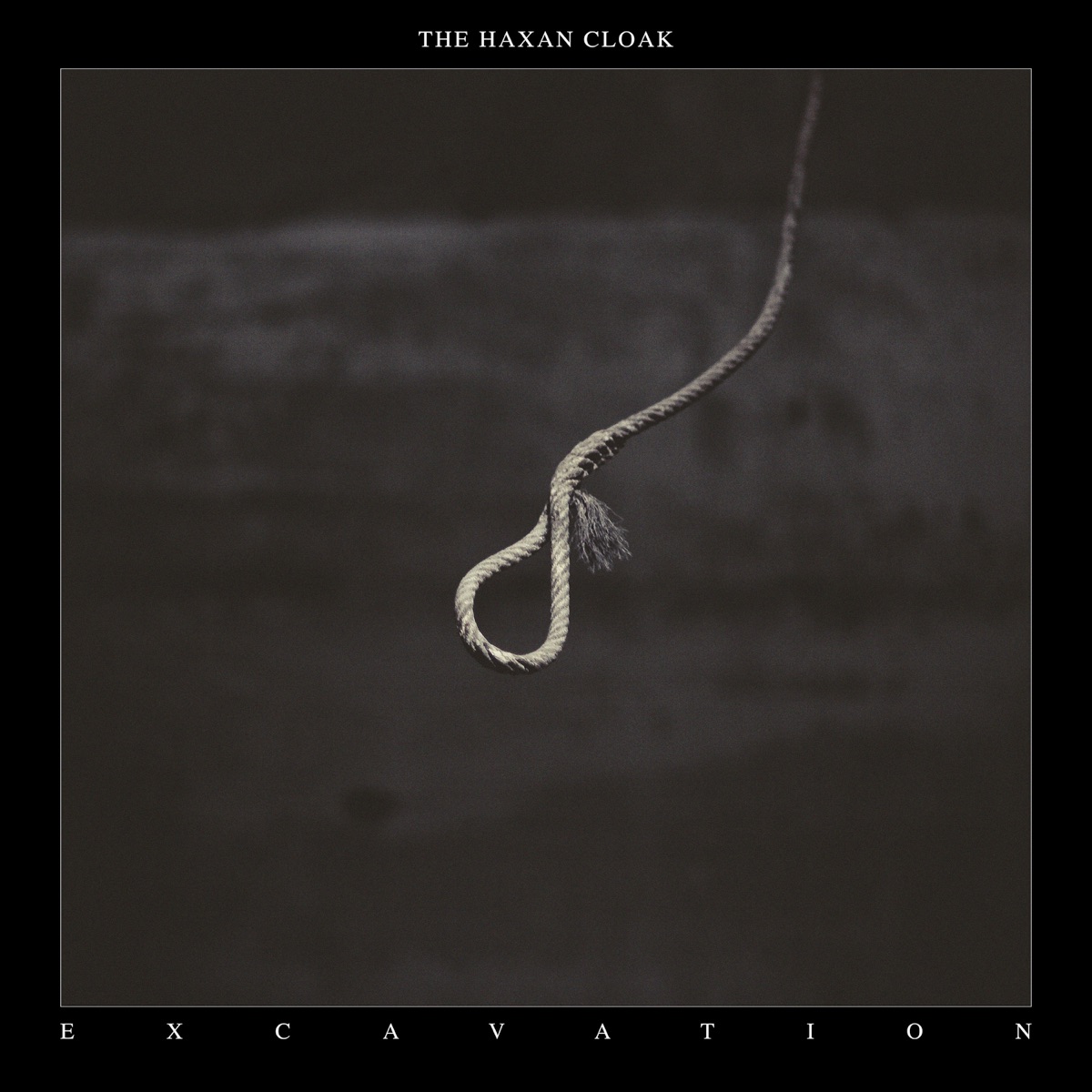
Excavation came out on Tri Angle in April 2013 and is Bobby Krlic’s second album. His self-titled 2011 debut, released by Aurora Borealis, had brought Krlic to Tri Angle’s attention. Where the first record seemed consumed by a fear of death, the second sets out to survey the vastness of the afterlife. Krlic has said he approached Excavation as a deconstruction of the elements of his first album, magnified to an almost Impressionist grain. The sound rests on subterranean synths, crushed field recordings and muted techno rhythms, without fully abandoning the acoustic component. The earthy strings and woodwinds of the debut are gone. What remains is negative space, labyrinthine composition and synth melodies that jump from near silence to full volume like a thriller soundtrack, with tracks often running past ten minutes. As for the individual pieces, the first part of “Excavation” rests on a washed-out, funereal 2-step, the second on a viscous sub-bass that owes as much to dubstep dynamics as to ambient. The thirteen-minute closer, “The Drop,” recalls Vangelis in his Blade Runner era and vanishes into luminous static. On “Mara,” low-frequency depth charges shake up a thick, crawling backdrop. The record connects to two of the site’s dossiers. The first is Reza Negarestani: an album titled for digging, built as a descent through layers of subterranean sound, works with the same imagery of a horror located in the depths of the system rather than in an event or a narrating voice. The second is the Industrial/Post-Industrial scene: critics have linked Krlic’s music to post-industrial landscapes, ruined cities and abandoned warehouses, and placed it alongside Demdike Stare, Raime and Vatican Shadow. Compared to those acts, which build hellish atmospheres and float through them, Krlic keeps a constant rhythmic drive, and the record has come to define the identity of the Tri Angle label. More than ten years after its release it remains a reference for dark ambient
L'IA sta riascoltando l'album per te...